


Before September: The Quiet Power of Everyday Routines
Autumn always reminds me of the smell of sharpened pencils, tidy pencil holders, the fresh pages of new exercise books, and the unmistakable smell of a new school book being
It appears when two people are willing to bring a little more of themselves into the room
Saturday Morning Sketches Sometimes the hardest thing to explain is the feeling that there is so much more life available. You notice it in small things. A conversation that could

Extraordinary Is the Natural Direction of Life
What if becoming extraordinary is not reserved for a gifted few? What if it is the natural direction of every coherent living system? At Quantum Neuro Transformation®, we see

Why Robotic Equipment Can Hinder Active Participation
Why Movement Alone Is Not Enough: A Quantum Neuro Transformation® Perspective The increasing use of robotic technology in rehabilitation has brought remarkable advances in engineering and biomechanics. Robotic gait trainers,
Why modern environments exhaust children
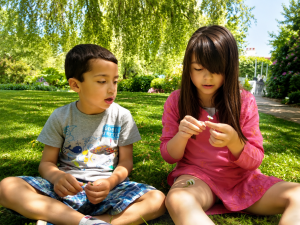
Why modern environments exhaust children Many children today move through environments of continual sensory intensity, accelerated pacing, fragmented attention, and reduced opportunities for physiological and emotional recovery. Much of this

Sensory coherence and emotional regulation within the home
Home environments influence far more than comfort or visual appearance alone. The sensory atmosphere carried by a home — through light, sound, rhythm, texture, spatial organisation, movement, emotional tone, and